Probiotics
Probiotics are live microorganisms intended to benefit the host, primarily via the gut. Evidence is reasonable for specific strains in certain digestive conditions (e.g., antibiotic-associated diarrhea, IBS), whereas "psychobiotic" effects on mood, anxiety, and stress are an active but still-preliminary research area. Effects are strain-specific, and they are generally safe in healthy people.
Too little may be associated with
Less microbiome support for mood and digestion.
Too much may be associated with
Bloating; caution if immunocompromised.
Informational only — not medical advice.
Benefits
Live beneficial microbes that can restore gut flora after antibiotics and help certain diarrheas and IBS symptoms.
Risks
Effects are strain- and condition-specific; may cause initial gas or bloating and pose infection risk in severely immunocompromised or critically ill people.
Informational only — not medical advice.
Where to buy
Popular Probiotics products on Amazon. Not medical advice — talk to a clinician before starting a supplement.


As an Amazon Associate, Neurotransmission earns from qualifying purchases.
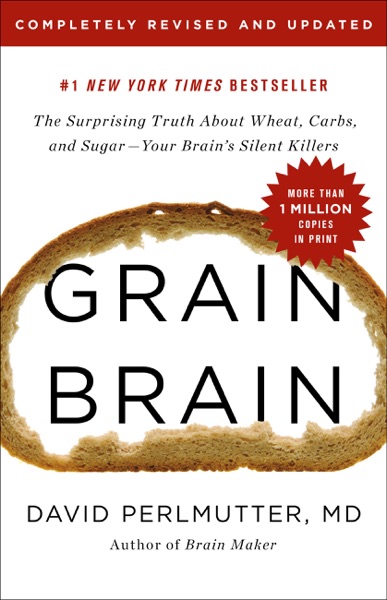
Books (1)
Research (34)
- Probiotics and Diet in Rosacea: Current Evidence and Future Perspectives Manfredini et al. (2025) Full text ↗ PubMed ↗
- New plant-based kefir fermented beverages as potential source of GABA Scarpelin et al. (2025) Full text ↗ PubMed ↗
- Bacterial community in homemade kimchi and probiotic characterization of Lactiplantibacillus plantarum HQ04 Zhang et al. (2025) Full text ↗ PubMed ↗
- Health-Related Messages About Herbs, Spices, and Other Botanicals Appearing in Print Issues and Websites of Legacy Media: Content Analysis and Evaluation Gaba et al. (2024) Full text ↗ PubMed ↗
- Akkermansia muciniphila improve cognitive dysfunction by regulating BDNF and serotonin pathway in gut-liver-brain axis Han et al. (2024) Full text ↗ PubMed ↗
- Human trials exploring anti-aging medicines David (2024) Full text ↗ PubMed ↗
- Safety and Effectiveness of Oral Nutraceuticals for Treating Acne: A Systematic Review Shields et al. (2023) PubMed ↗
- Bifidobacterium adolescentis - a beneficial microbe Leser et al. (2023) Full text ↗ PubMed ↗
- Over-the-Counter Medications in Pregnancy Powers et al. (2023) PubMed ↗
- Low anterior resection syndrome Ryoo (2023) PubMed ↗
- Nutrition, Physical Activity and Supplementation in Irritable Bowel Syndrome Radziszewska et al. (2023) PubMed ↗
- Understanding the Connection between Gut Homeostasis and Psychological Stress Wang et al. (2023) Full text ↗ PubMed ↗
- Constipation-Predominant Irritable Bowel Syndrome (IBS-C): Effects of Different Nutritional Patterns on Intestinal Dysbiosis and Symptoms Di et al. (2023) Full text ↗ PubMed ↗
- Impact of gut microbiome on skin health: gut-skin axis observed through the lenses of therapeutics and skin diseases Mahmud et al. (2022) Full text ↗ PubMed ↗
- Clinician guidelines for the treatment of psychiatric disorders with nutraceuticals and phytoceuticals: The World Federation of Societies of Biological Psychiatry (WFSBP) and Canadian Network for Mood and Anxiety Treatments (CANMAT) Taskforce Sarris et al. (2022) PubMed ↗
Links
Community
Log in to rate and share your notes.
No contributions yet.