Omega-3 fatty acids
Omega-3 fatty acids (EPA and DHA) are essential fats important for cell membranes and inflammation. Evidence is strong for lowering triglycerides and modest for depression as an adjunct (EPA-predominant), while large trials have generally not supported routine supplementation for preventing cardiovascular events or dementia in well-nourished people. Dietary intake from fish is broadly recommended and supplements are generally safe.
Too little may be associated with
Deficiency: low mood, poorer cognition and heart health.
Too much may be associated with
High doses: bleeding risk, GI upset.
Informational only — not medical advice.
Benefits
EPA, DHA, and ALA support cardiovascular, brain, and retinal health and reduce triglycerides.
Risks
At high doses may prolong bleeding and cause GI upset; the benefit for primary heart-disease prevention is debated.
Informational only — not medical advice.
Body systems
Organs
Neurotransmitters
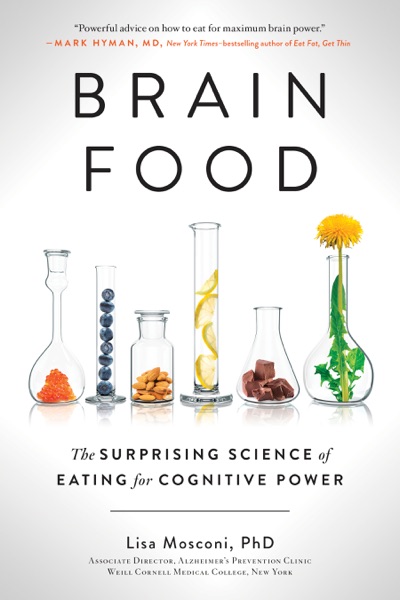
Books (1)
Research (16)
- [Nutrition in improving sleep quality and fighting insomnia] Ortega et al. (2025) Full text ↗ PubMed ↗
- The Effects of Omega-3 Supplementation Combined with Strength Training on Neuro-Biomarkers, Inflammatory and Antioxidant Responses, and the Lipid Profile in Physically Healthy Adults Okut et al. (2025) Full text ↗ PubMed ↗
- The relationship between endometriosis and diet Osmanlıoğlu et al. (2023) Full text ↗ PubMed ↗
- Pharmacological interventions for pruritus in adult palliative care patients Boehlke et al. (2023) Full text ↗ PubMed ↗
- Characterization of the fatty acid profile in the ventral midbrain of mice exposed to dietary imbalance between omega-6 and omega-3 fatty acids during specific life stages Sakayori et al. (2022) Full text ↗ PubMed ↗
- Clinician guidelines for the treatment of psychiatric disorders with nutraceuticals and phytoceuticals: The World Federation of Societies of Biological Psychiatry (WFSBP) and Canadian Network for Mood and Anxiety Treatments (CANMAT) Taskforce Sarris et al. (2022) PubMed ↗
- Mechanistic Insights into the Link between Gut Dysbiosis and Major Depression: An Extensive Review Sonali et al. (2022) Full text ↗ PubMed ↗
- Associations between Omega-3 Index, Dopaminergic Genetic Variants and Aggressive and Metacognitive Traits: A Study in Adult Male Prisoners Fernandez et al. (2022) Full text ↗ PubMed ↗
- Functional interactions between cannabinoids, omega-3 fatty acids, and peroxisome proliferator-activated receptors: Implications for mental health pharmacotherapies Jung et al. (2022) Full text ↗ PubMed ↗
- Role of diet in hyperuricemia and gout Danve et al. (2021) Full text ↗ PubMed ↗
- Potential depression and antidepressant-response biomarkers in human lymphoblast cell lines from treatment-responsive and treatment-resistant subjects: roles of SSRIs and omega-3 polyunsaturated fatty acids Chukaew et al. (2021) Full text ↗ PubMed ↗
- 36th International Symposium on Intensive Care and Emergency Medicine : Brussels, Belgium. 15-18 March 2016 Liu et al. (2016) Full text ↗ PubMed ↗
- Vitamin D and the omega-3 fatty acids control serotonin synthesis and action, part 2: relevance for ADHD, bipolar disorder, schizophrenia, and impulsive behavior Patrick et al. (2015) Full text ↗ PubMed ↗
- Lipid metabolism and hyperlipidemia in dogs Xenoulis et al. (2010) Full text ↗ PubMed ↗
- n-3 polyunsaturated fatty acid deficiency and dopamine metabolism in the rat frontal cortex Zimmer et al. (1999) Full text ↗ PubMed ↗
Links
Community
Log in to rate and share your notes.